Stamp duty ‘fiscal drag’ for housing
While the threat of wider tax changes impacting the mainstream housing market has been removed, stamp duty remains a significant hurdle for home buyers, especially in southern England. The stamp duty price thresholds for existing home owners were set in 2014, while house prices are 47% higher over this time. This is creating ‘fiscal drag’ for home buyers in the housing market with buyers of average priced homes paying more
Since 2019, the number of homes bought by existing homeowners where the cost of stamp duty is more than 2.5% of the purchase price has jumped from 21 per cent to 33 per cent. The cost of buying is growing for average home buyers in towns across the south of England and the case for the abolition of stamp duty as part of wider property reforms remains a strong one.
Commenting on the report, Richard Donnell, Executive Director at Zoopla, said: “The Budget bark was worse than the Budget bite for the housing market. Home buyers and sellers will welcome the end of the uncertainty that has stalled housing market activity since the late summer. Our data shows the underlying demand to move home remains strong. With greater certainty we expect a rebound in housing market activity that builds into the new year with households who paused home moving decisions over recent months return with greater confidence.
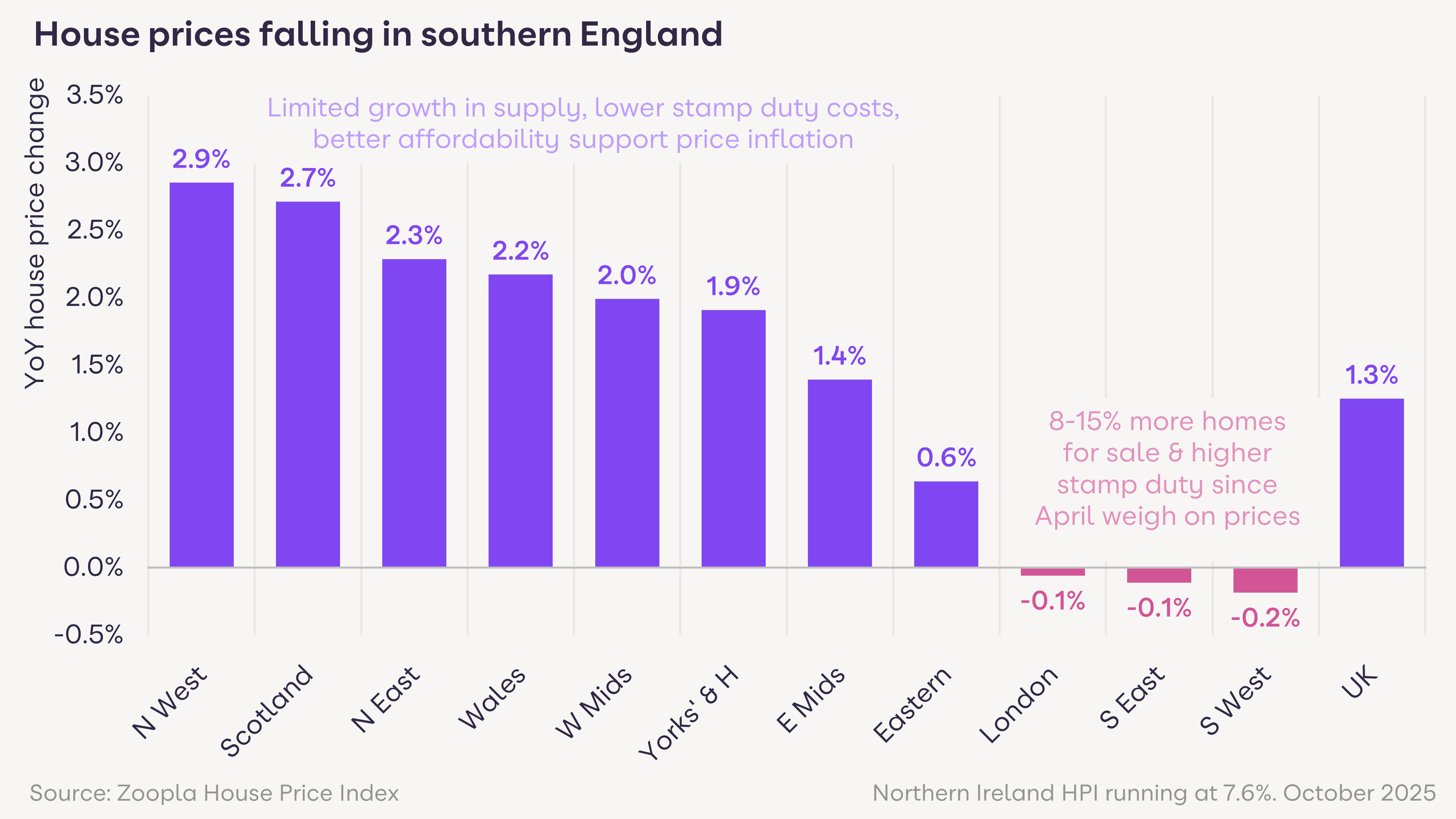
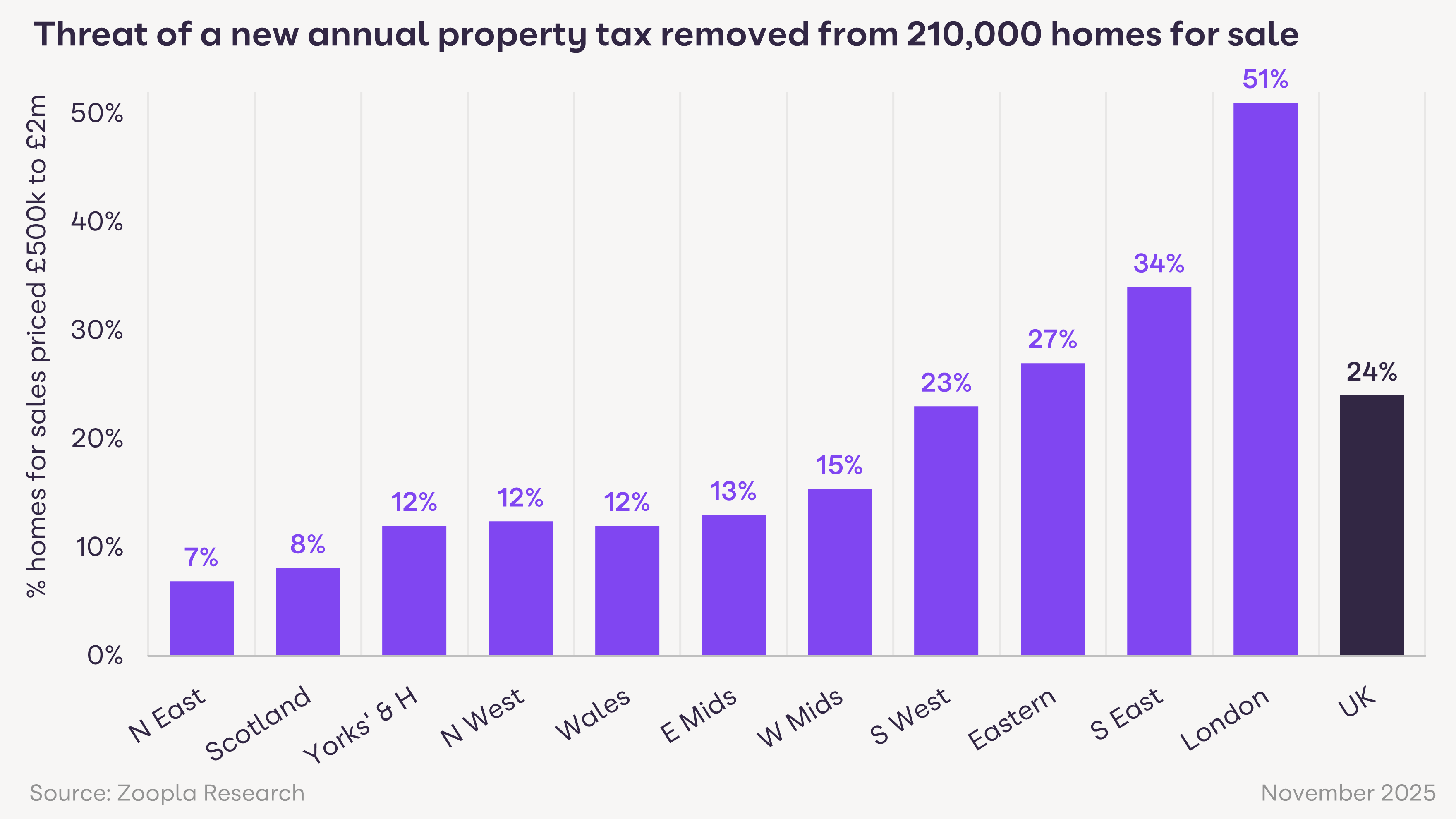
“The removal of the threat of a new annual property tax from 210,000 homes is particularly positive for the market and will help revive activity in higher-value areas across southern England where house prices are under pressure.”
David Powell, CEO of Andrews estate agent said: “After months of speculation, I am disappointed the Government has missed this opportunity to address the challenges around stamp duty and affordability. There will be much disappointment around the £2m+ mansion tax and it’s likely the South will get hit the hardest, we will eagerly await how this impacts the market and the unintended consequences that may follow.
“I suspect house price growth in the South may remain static in the short term whilst the market adjusts to the new normal. I expect the market to bounce back from any damage caused by leaked or shelved policies leading up to the Government’s Budget and we will see activity levels increase across the South throughout 2026.”